Background
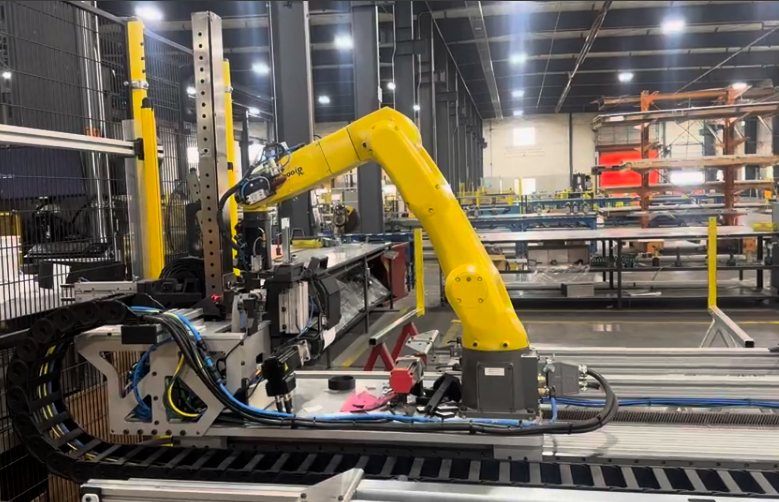
During my internship at SCAFCO, I worked on facility layout and material flow across its 110,000 sq ft roll-forming plant. The existing plant drawing no longer matched the production floor, and both steel-coil storage and packaging-lumber inventory had become inefficient over time.
I first rebuilt the facility layout from field measurements, then used the updated drawing and production-usage data to redesign how steel coils and packaging lumber were organized and positioned around the plant.
1
Facility remapping
Field measurements rebuilt into an AutoCAD layout.
2
Steel coil storage
A revised storage plan built on the updated drawing.
3
Packaging lumber
A smaller set of standard lengths, positioned near the machines that use them.
Facility Remapping
The existing AutoCAD layout had become outdated as equipment and storage locations changed.
I took field measurements throughout the facility and rebuilt the plant layout in AutoCAD to reflect the actual locations of production equipment, coil bays, storage areas, operator access paths, and working space around the machines.
The updated drawing provided an accurate baseline for the material-flow and storage analysis that followed.
Steel Coil Storage Optimization
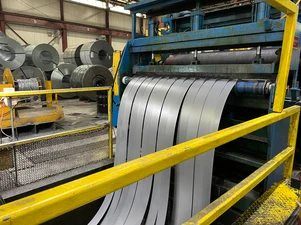
Steel coils are moved from storage to the roll-forming lines by overhead crane.
The existing coil-bay layout had become scattered and unconsolidated. Coils with the same dimensions and gauge were not consistently stored together, making it harder for crane operators to locate the required material. Some frequently used coils were also stored far from the roll-forming lines that consumed them, increasing crane travel and retrieval time.
I analyzed coil usage together with the updated facility layout and developed a revised storage plan.
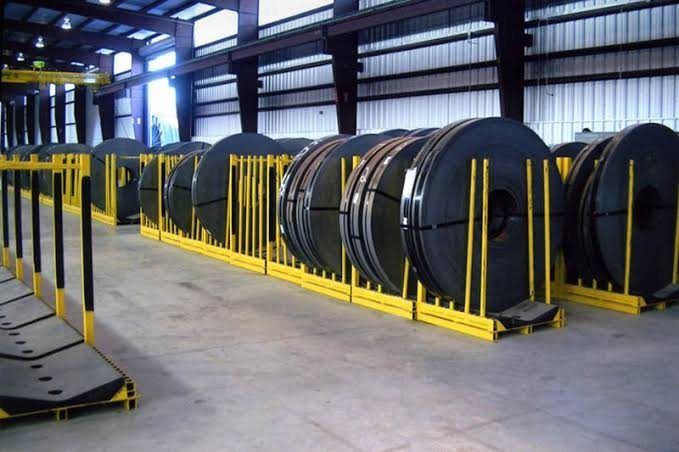
The new layout
- GroupedGrouped coils with the same dimensions and gauge together.
- ConsolidatedConsolidated material that had previously been scattered across the storage bays.
- Closer to the linesPositioned frequently used coil groups closer to the roll-forming lines that used them most.
- AccessMaintained access for crane operators and production personnel.
The revised arrangement made the correct coils easier to locate and reduced unnecessary crane travel between storage and production.
Packaging Lumber Optimization
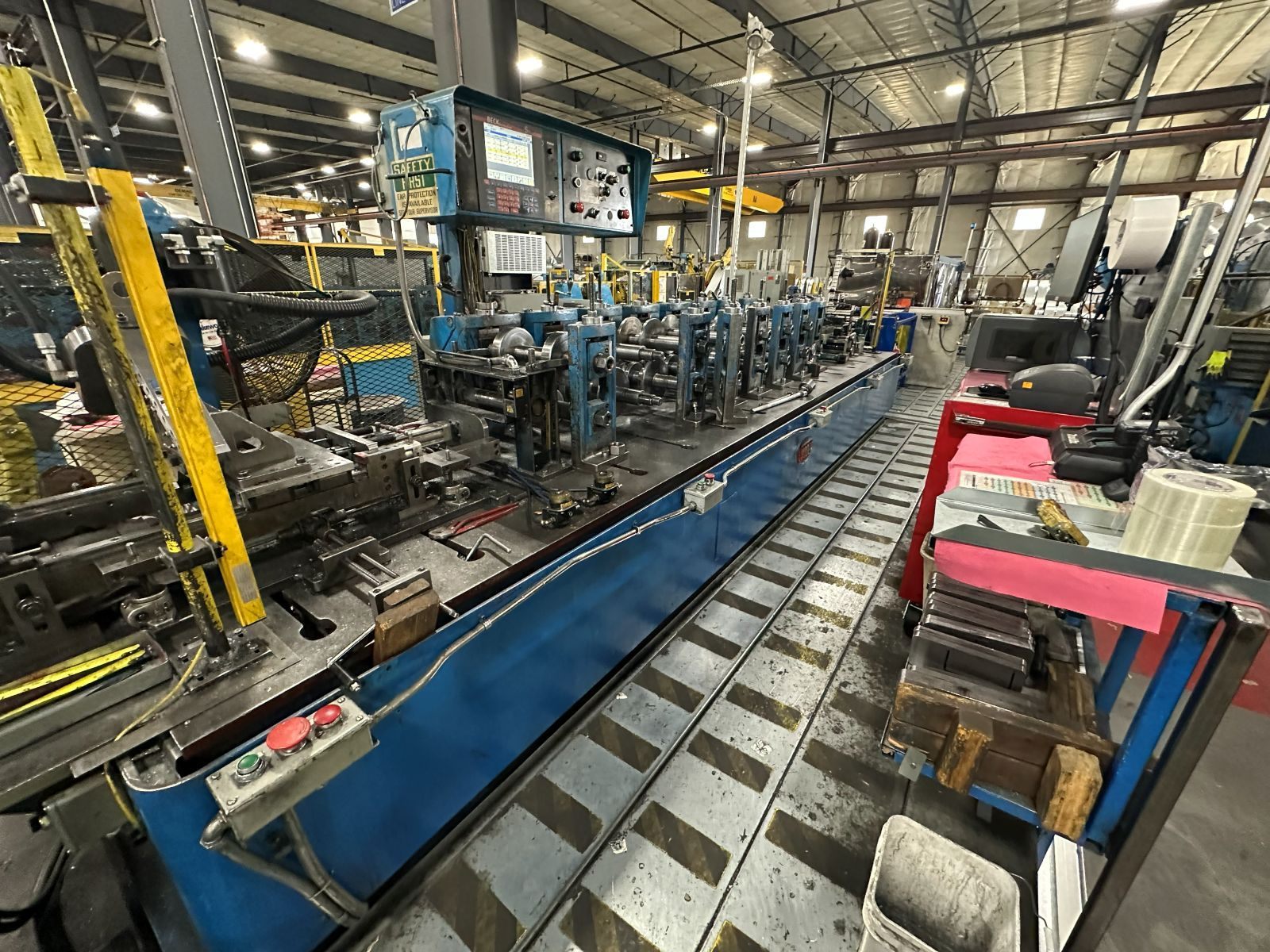
Finished steel studs are packaged using lumber cut to different lengths depending on the product being produced.
The existing inventory contained more lumber sizes than necessary. This resulted in excess inventory, repeated cutting to shorter lengths, additional handling, offcut waste, and commonly used sizes not always being stored close to the machines that needed them.
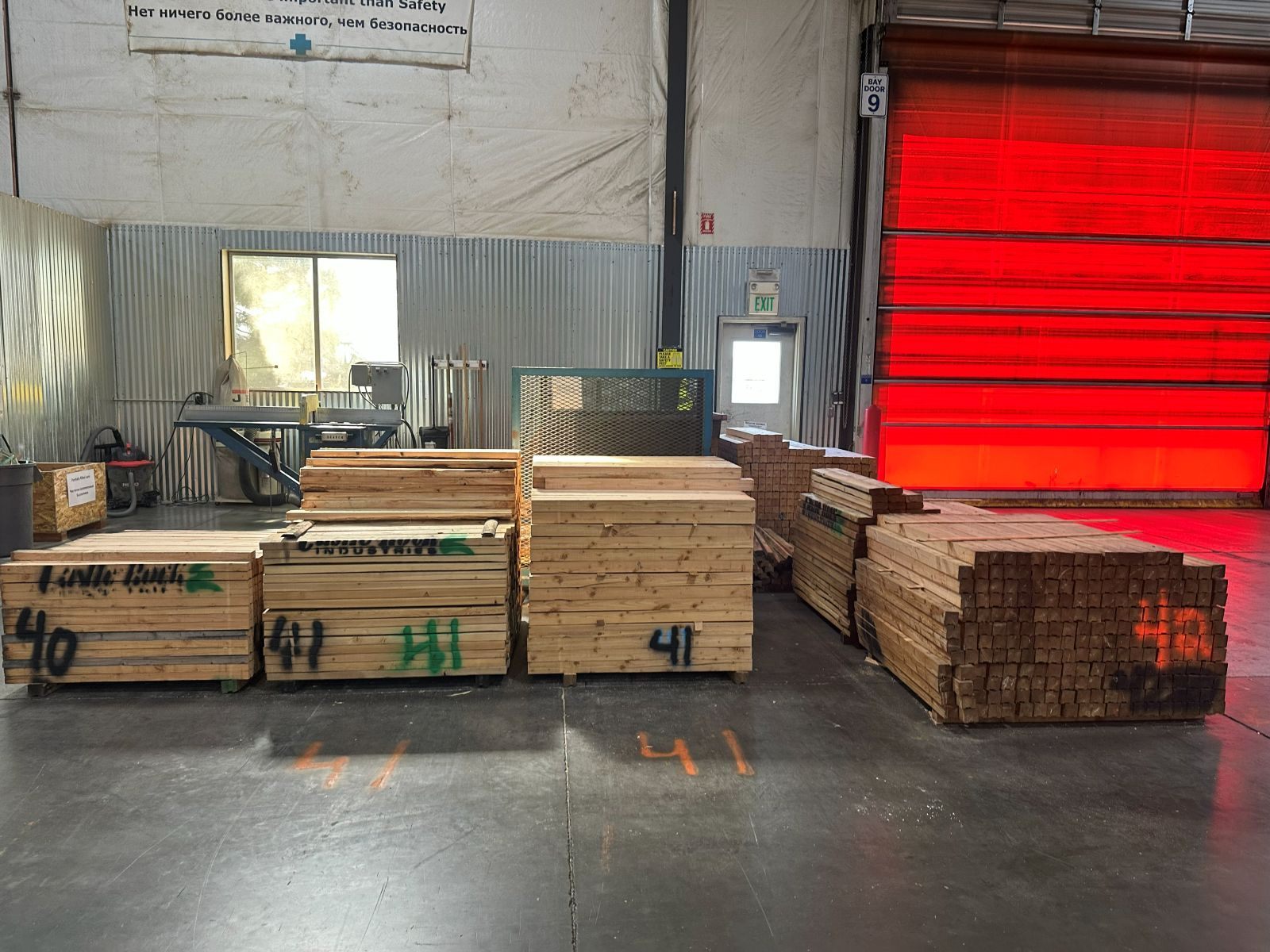
- I physically sampled and measured the lumber being used across production and analyzed the data in Excel.
- I created a frequency analysis to determine which lumber lengths appeared most often during packaging.
- I evaluated how different lengths could be produced from longer standard pieces. For example, if two 12-inch pieces were required, a 24-inch piece could be stocked and cut in half rather than maintaining separate inventory when it was not necessary.
- Using both usage frequency and length divisibility, I identified a smaller set of standard lumber lengths that could cover the plant's packaging requirements while reducing the number of sizes that needed to be stocked.
- I also evaluated where those lengths were being used and repositioned commonly required lumber closer to the machines that consumed it most frequently.
Result
Production facility remapped in AutoCAD.
Reduction in packaging lumber inventory.
Remapped the full 110,000 sq ft production facility in AutoCAD and developed a consolidated steel-coil storage layout that grouped material by dimensions and gauge, improved coil identification, and reduced crane travel by positioning frequently used material closer to the roll-forming lines it served.
Reduced packaging lumber inventory by 36% using dimensional sampling, frequency analysis, and length-divisibility analysis, while reducing unnecessary cutting, handling, offcut waste, and travel to retrieve commonly used sizes.